
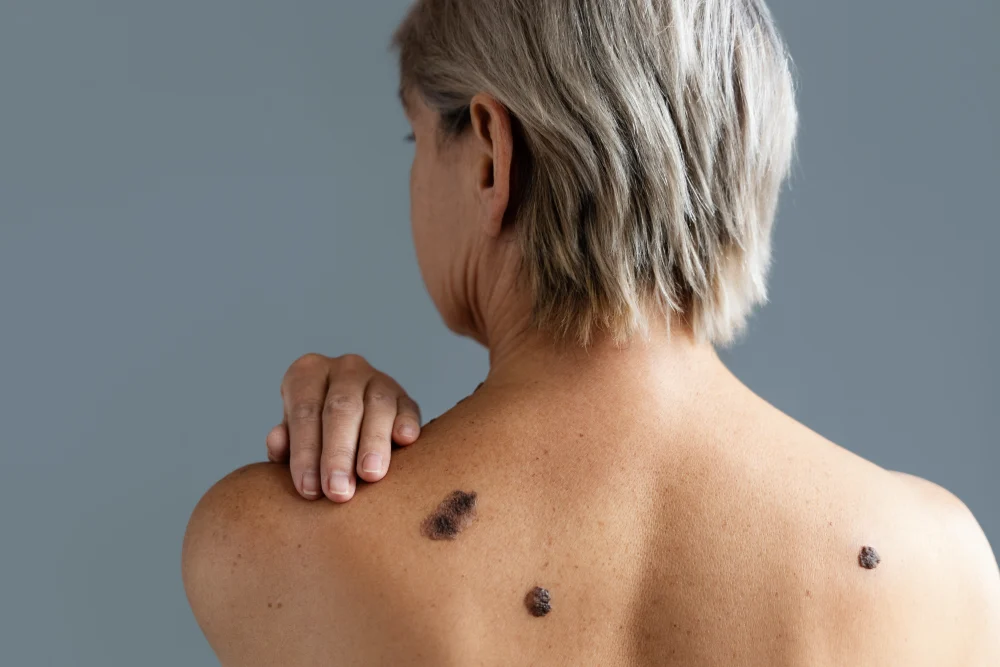
Understanding the Condition
Skin cancer is the most common cancer in the UK, with increasing incidence due to cumulative UV exposure. Early detection and appropriate treatment are crucial for optimal outcomes. Skin cancers include melanoma, basal cell carcinoma, and squamous cell carcinoma, each requiring tailored management strategies.
Symptoms
New mole or change in existing mole appearance
Asymmetrical, irregular borders, or colour variation
Mole larger than 6mm in diameter
Bleeding, oozing, or itching mole
Non-healing sore or persistent skin lesion
Common Causes
Cumulative UV exposure from sun and sunbeds
Fair skin, red/blonde hair, and blue eyes
Family history of skin cancer or melanoma
Presence of multiple or atypical moles
Immunosuppression or previous skin cancer
Treatment Options
Dermoscopy & Biopsy
Advanced skin examination and tissue sampling to confirm diagnosis and determine cancer type and stage.
Surgical Excision
Surgical removal of skin cancer with appropriate margins to ensure complete removal and reduce recurrence.
Mohs Micrographic Surgery
Precision surgical technique for high-risk or cosmetically sensitive skin cancers with tissue-sparing approach.
Surveillance & Prevention
Regular skin checks, sun protection education, and early detection protocols for high-risk patients.
Real Results
Before and After Gallery
Before & After
Before & After
Frequently Asked Questions
Why do I need treatment for this condition?
Early and appropriate treatment helps prevent complications, reduces symptoms, improves quality of life, and may prevent progression to more severe disease.
How many treatments do I need?
The number of treatments varies depending on the condition severity, type, and individual response. The Team at Complete Dermatology will create a personalised treatment plan during your consultation.
How long is each appointment?
Initial consultation typically lasts 30-45 minutes. Follow-up appointments are usually 15-30 minutes depending on the treatment required.
Is any pre-treatment preparation required?
Specific pre-treatment instructions will be provided based on your condition and planned treatment. Generally, avoid irritating products and inform us of any medications.
Is there downtime?
Downtime varies by treatment type. Most topical treatments have no downtime. Procedures may involve temporary redness or mild irritation.
Are there common side effects?
Common side effects are typically mild and temporary, including redness, irritation, or dryness. The Team at Complete Dermatology will discuss the specific risks during your consultation.
Ready to Start Your Treatment?
Contact Complete Dermatology to book your consultation and begin your skin health journey.