
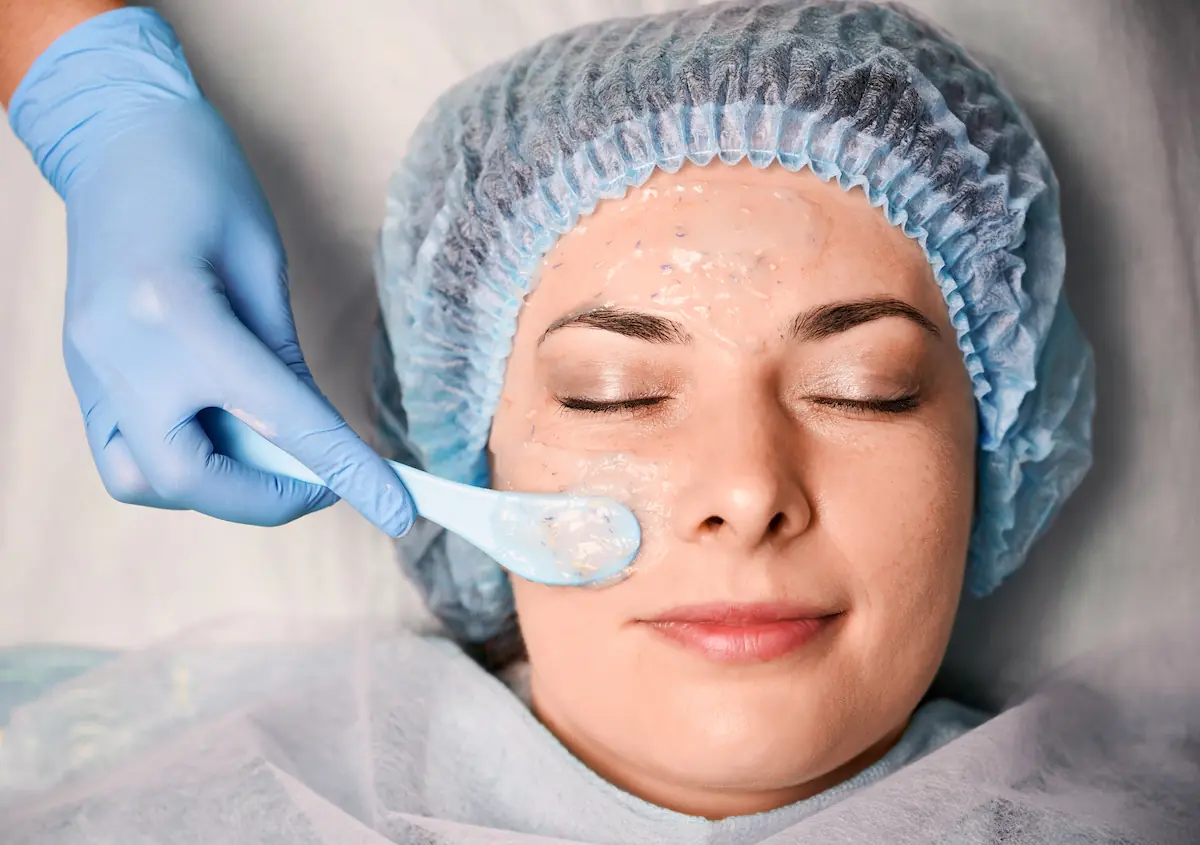
Complete Dermatology, located in Hertfordshire, provides specialist care for patients seeking advanced skin rejuvenation through medical-grade Chemical Peels. As a dedicated dermatology clinic at Kinsbourne Court, 96–100 Luton Road, the focus is on delivering clinically tailored treatments that address a wide spectrum of skin concerns, from dullness and rough texture to acne and hyperpigmentation. A chemical peel involves the precise application of a formulated solution to safely exfoliate the outermost layers of the skin. This controlled process stimulates cellular turnover and collagen production, revealing the fresher, smoother, and more radiant skin beneath.
Understanding the Condition
Skin is constantly renewing itself, but this natural process can slow down due to ageing, sun exposure, and environmental factors. When dead skin cells accumulate on the surface, the complexion can appear dull, uneven, and congested. Furthermore, deeper issues such as acne scarring, sun damage, and melasma require more than just superficial exfoliation to correct.
At Complete Dermatology in Hertfordshire, the clinical team understands that every patient’s skin is unique. Addressing these varied concerns requires a targeted approach. Chemical peels work by inducing a controlled injury to the skin at a specific depth. As the skin heals, the damaged outer layers peel away, promoting the regeneration of new epidermal and dermal tissues. This not only improves the skin’s immediate appearance but also enhances its long-term structural integrity.
Symptoms
- Dull, tired-looking complexion and rough skin texture
- Uneven skin tone, sun spots, and hyperpigmentation
- Active acne breakouts and congested, enlarged pores
- Fine lines, superficial wrinkles, and mild acne scarring
Common Causes
- Natural slowing of cellular turnover due to ageing
- Prolonged ultraviolet (UV) exposure and cumulative sun damage
- Hormonal fluctuations leading to conditions like melasma
- Overactive sebaceous glands and inflammatory acne
Treatment Options
Complete Dermatology offers a comprehensive range of chemical peels. Following a thorough clinical assessment, a specific acid formulation and peel depth will be selected to safely and effectively target your individual skin concerns.
- Light (Superficial) Peels: Often formulated with alpha-hydroxy acids (AHAs) like glycolic or lactic acid, or beta-hydroxy acids (BHAs) like salicylic acid. These gently exfoliate the outermost layer of the epidermis. They are ideal for brightening a dull complexion, improving mild acne, and smoothing rough texture, with little to no downtime.
- Medium Peels: Typically utilising trichloroacetic acid (TCA), these penetrate the entire epidermis and the upper layers of the dermis. Medium peels are highly effective for addressing more pronounced concerns such as moderate sun damage, deeper pigmentation, fine lines, and acne scarring. They involve a slightly longer recovery period as the skin actively sheds.
- Deep Peels: Reserved for severe skin ageing, deep wrinkles, and extensive sun damage. These peels penetrate to the lower dermal layers and produce the most dramatic, long-lasting results. However, they require careful clinical preparation, significant downtime, and are performed under strict medical supervision.
- Tailored Treatment Plans: The clinical team ensures that every chemical peel is precisely calibrated. Whether you require a single medium peel for pigmentation or a series of light peels for acne management, the treatment is customised to your skin type (assessed via the Fitzpatrick scale) to minimise risks and optimise outcomes.
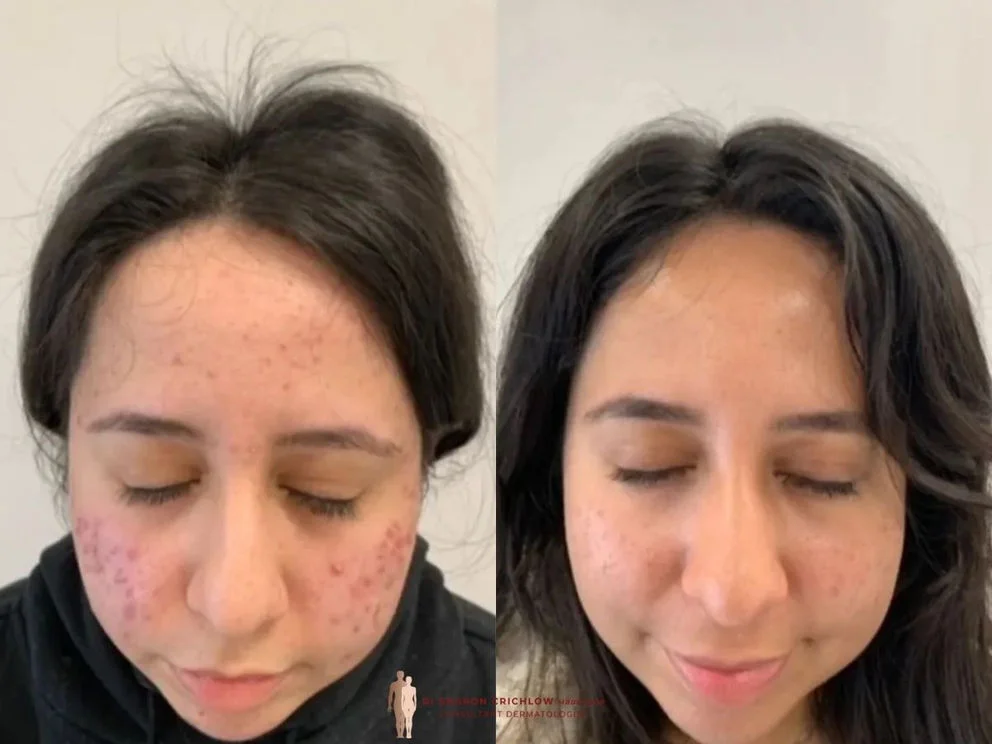
Real Results
Frequently Asked Questions
How long does the treatment take?
The application of a chemical peel is usually quite brief, taking approximately 30 to 45 minutes depending on the specific type of peel and the number of layers applied.
Is the treatment painful?
During a light or medium peel, you may experience a warm, tingling, or mild stinging sensation. This is temporary and usually subsides quickly once the peel is neutralised or completed.
What is the downtime?
Downtime varies by peel depth. Light peels may cause slight redness with minimal flaking. Medium peels typically involve 3 to 7 days of visible peeling and dryness as the old skin sheds.
Will I need multiple sessions?
For light peels, a series of 3 to 6 treatments spaced a few weeks apart is often recommended for the best results. Medium peels may only need to be performed once or twice a year.
How should I care for my skin afterwards?
Post-treatment care is crucial. You must keep your skin hydrated with gentle moisturisers, strictly avoid picking at peeling skin, and apply a broad-spectrum SPF 50 daily to protect the delicate new skin.