
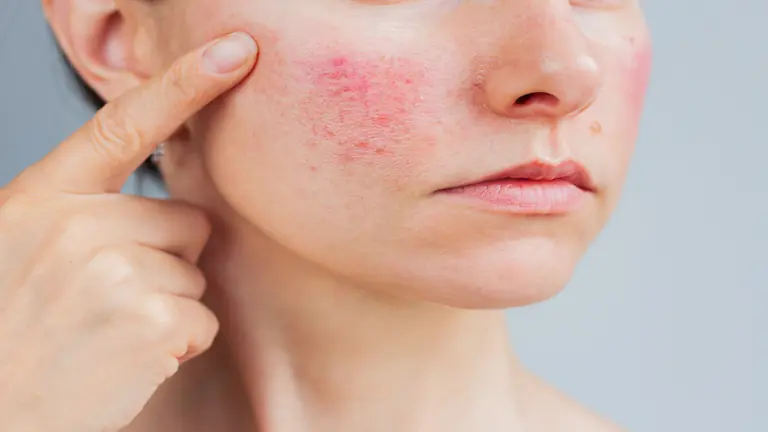
Complete Dermatology in Harpenden, Hertfordshire provides specialist care for patients managing rosacea. As a dedicated dermatology clinic at Kinsbourne Court, 96–100 Luton Road, the focus is on delivering compassionate, evidence-based management for this chronic inflammatory skin condition. Rosacea predominantly affects the face, causing persistent redness, visible blood vessels, and sometimes acne-like bumps. It can be a distressing condition that significantly impacts self-confidence. The clinical team at Complete Dermatology takes a comprehensive approach, combining medical therapies with lifestyle guidance and advanced clinical treatments to control symptoms, reduce flare-ups, and restore a calmer, more even complexion.
Understanding the Condition
Rosacea is a long-term skin condition that most commonly affects the central face, including the cheeks, nose, chin, and forehead. It typically begins after the age of 30 and is more frequently diagnosed in women and individuals with fair skin, though men often experience more severe symptoms. Unlike temporary blushing, the redness associated with rosacea tends to persist and can worsen over time if left unmanaged.
At Complete Dermatology in Harpenden, Hertfordshire, the clinical team understands that rosacea is a complex condition with no single known cause. It is believed to result from a combination of genetic predisposition, immune system dysregulation, and environmental factors that lead to abnormal dilation of the facial blood vessels. The condition is often categorised into different subtypes, ranging from erythematotelangiectatic rosacea (characterised by flushing and persistent redness) to papulopustular rosacea (which involves pus-filled spots similar to acne). A thorough clinical assessment is essential to accurately diagnose the subtype and formulate an effective management strategy.
Symptoms
- Frequent flushing or blushing and persistent facial redness
- Visible, dilated blood vessels on the face (telangiectasia)
- Small, red, solid bumps or pus-filled spots (papules and pustules)
- A burning, stinging, or warm sensation on the skin
- Dry, thickened skin, or eye irritation (ocular rosacea)
Common Causes and Triggers
- Genetic factors and an overactive immune response
- Exposure to extreme temperatures (hot or cold) and sunlight
- Consumption of hot drinks, alcohol, or spicy foods
- Emotional stress and intense physical exercise
Treatment Options
Complete Dermatology offers tailored, medical-grade solutions for managing rosacea. While there is no cure, a clinician will create a personalised plan to control symptoms and improve the skin’s appearance.
- Topical Therapies: For mild to moderate rosacea, topical treatments applied directly to the skin are highly effective. These may include formulations containing metronidazole, azelaic acid, or ivermectin to reduce inflammation and clear papules and pustules. Specific gels or creams may also be prescribed to temporarily constrict blood vessels and reduce facial redness.
- Oral Medications: When topical treatments are insufficient, or for more severe inflammatory rosacea, oral antibiotics such as doxycycline or lymecycline may be prescribed. These are used primarily for their anti-inflammatory properties rather than their antibacterial effects.
- Advanced Clinical Procedures: To address persistent redness and visible blood vessels (telangiectasia) that do not respond to medication, the clinic may recommend advanced light and laser therapies, such as the Excel V+ Laser. These treatments specifically target the dilated blood vessels, causing them to safely collapse and fade.
- Lifestyle and Skincare Guidance: A crucial component of rosacea management involves identifying and avoiding personal triggers. The clinical team provides comprehensive advice on gentle skincare routines, barrier repair, and the essential daily use of high-factor, broad-spectrum sun protection.
Real Results
Before and After Gallery
Before & After
Before & After
Before & After
Frequently Asked Questions
Is rosacea the same as acne?
No, although they can look similar. Rosacea typically features persistent redness and flushing without the blackheads or whiteheads seen in acne. The treatments for the two conditions are also different, making an accurate clinical diagnosis important.
Can rosacea be cured?
There is currently no permanent cure for rosacea. However, with the right combination of medical treatments, clinical procedures, and trigger management, the symptoms can be effectively controlled and flare-ups significantly reduced.
Why is my skin so sensitive?
Rosacea is often associated with an impaired skin barrier, making the skin highly reactive to environmental factors and skincare products. It is vital to use gentle, non-irritating cleansers and moisturisers specifically formulated for sensitive skin.
Does diet affect rosacea?
Yes, certain foods and drinks are known triggers that cause blood vessels to dilate. Common dietary triggers include spicy foods, hot beverages, and alcohol. Identifying your specific triggers can help manage the condition.
What should I do if my eyes feel gritty?
Some patients develop ocular rosacea, which can cause the eyes to feel dry, gritty, or sensitive to light. If you experience these symptoms, you should inform your clinician, as specific eye treatments or a referral to an eye specialist may be necessary.