
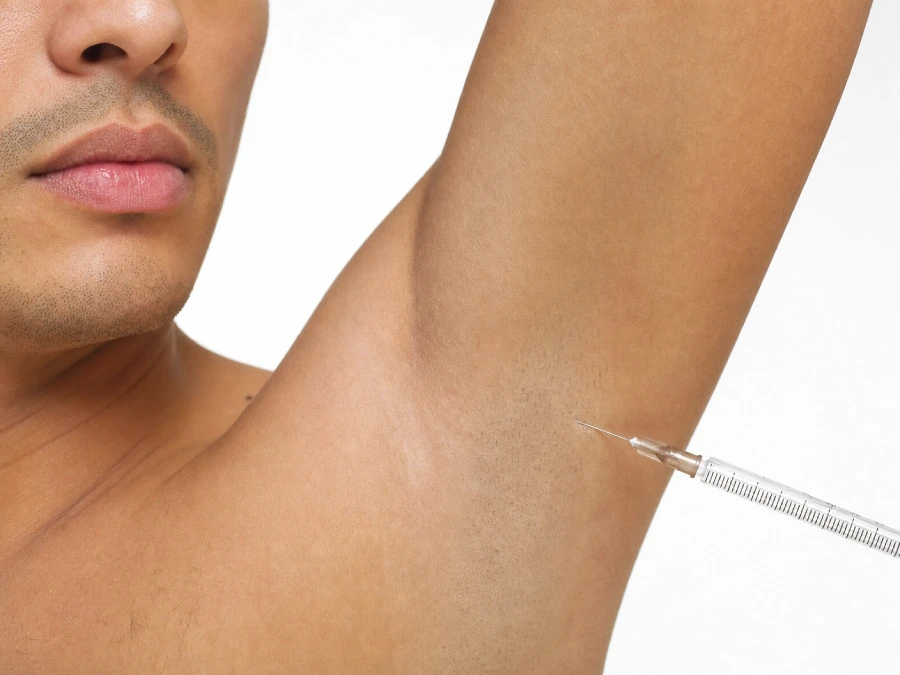
Armpit Sweating

Understanding Fungal Infections

Fungal infections of the skin are caused by dermatophytes, yeasts, or non-dermatophyte moulds. These infections thrive in warm, moist environments and can affect various body areas depending on the fungal species involved. Common fungal infections include tinea pedis (athlete’s foot), tinea cruris (jock itch), tinea corporis (ringworm), and candidiasis.

Fungal infections are contagious and can spread through direct contact, contaminated surfaces, or shared items such as towels or nail clippers. Accurate diagnosis is essential because treatment varies depending on the specific fungal organism.

Common Symptoms of Fungal Infections

  • Itching, burning, or stinging sensations
  • Red, inflamed skin or rash
  • Scaling, peeling, or cracking skin
  • Discoloured nails (in nail fungal infections)
  • Circular patches with raised edges (tinea)

Common Causes of Fungal Infections

  • Warm, moist skin environments
  • Poor hygiene or contaminated surfaces
  • Weakened immune system
  • Prolonged antibiotic use
  • Diabetes or other metabolic conditions

Types of Fungal Infections

Tinea pedis (athlete’s foot) is the most common fungal infection, affecting the feet and causing itching, scaling, and sometimes blistering. Tinea cruris affects the groin area and is more common in men. Tinea corporis presents as circular, scaly patches on the body.

Candidiasis, caused by Candida albicans, commonly affects skin folds, the mouth, or the genital area. Nail fungal infections (onychomycosis) cause discolouration, thickening, and crumbling of the nails and are particularly difficult to treat.

Diagnosis and Treatment

Diagnosis involves clinical examination and laboratory testing such as KOH microscopy or fungal culture to identify the specific fungal organism. Treatment depends on the infection type and severity but typically includes topical antifungal creams, lotions, or powders for localised infections.

Systemic antifungal medications are prescribed for widespread or nail infections. Treatment duration varies from weeks to months depending on the infection severity and location.

Prevention Strategies

Preventing fungal infections involves maintaining good hygiene, keeping skin dry (especially between toes and in skin folds), wearing breathable clothing, avoiding walking barefoot in public areas, and not sharing personal items such as towels or nail clippers.

Frequently Asked Questions

How long does fungal infection treatment take?

Treatment duration depends on infection location and severity. Localised fungal infections typically resolve within 2 to 4 weeks of topical treatment. Nail fungal infections require 3 to 6 months of systemic treatment.

Can fungal infections recur after treatment?

Yes. Fungal infections can recur if the conditions that allowed the initial infection (warm, moist environment) persist. Prevention through proper hygiene and moisture control is important.

Are fungal infections contagious?

Yes. Most fungal infections are contagious and can spread through direct contact or contaminated surfaces. Avoiding shared towels, nail clippers, and public areas reduces transmission risk.

Why do fungal infections keep coming back?

Recurrent fungal infections often result from inadequate treatment duration, persistent environmental conditions, or reinfection from contaminated sources. Proper treatment completion and prevention strategies are essential.

Schedule Your Fungal Infection Consultation

Contact Complete Dermatology in Harpenden for professional fungal infection diagnosis and treatment.

Ready to Get Started?

Book a consultation with Dr Sharon Crichlow to discuss your treatment options.

Related Treatments

Ready to Start Your Treatment?

Patients in Hertfordshire and the surrounding areas who are looking for expert guidance on medical acne treatments are welcome to book a consultation with the team at Complete Dermatology. A clinician will assess individual needs and recommend a tailored approach to achieving clearer, healthier skin.