
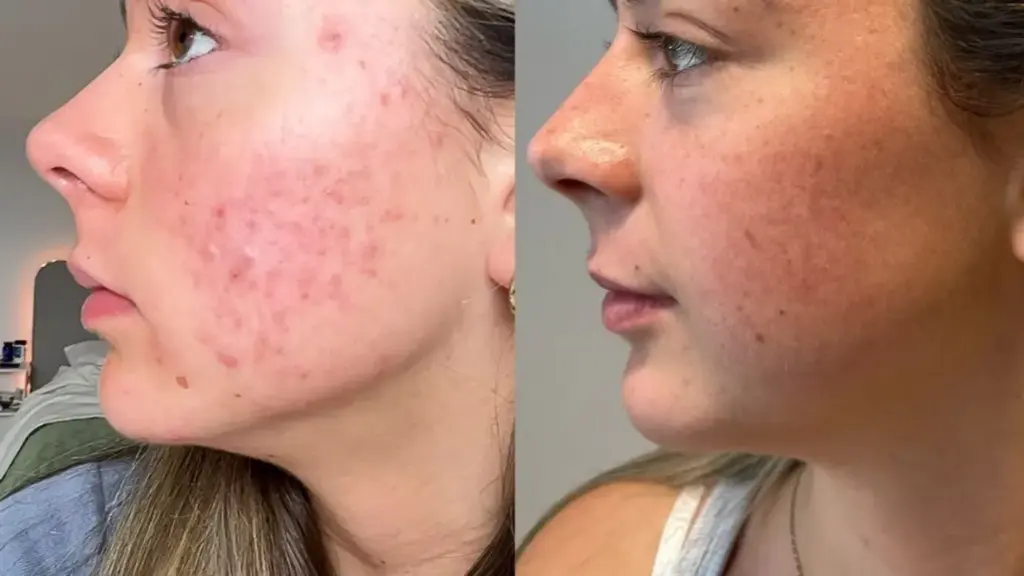
Complete Dermatology in Harpenden, Hertfordshire provides specialist care for patients struggling with acne. As a dedicated dermatology clinic at Kinsbourne Court, 96–100 Luton Road, the focus is on delivering clinically proven, compassionate care for this very common but often distressing skin condition. Acne affects most people at some point in their lives, causing spots, oily skin, and sometimes painful inflammation. The comprehensive approach at Complete Dermatology combines medical expertise with advanced treatments to address the root causes of the condition, prevent scarring, and help patients achieve clear, healthy skin.
★ AWARD-WINNING · FDA-APPROVED
AviClear® — Award-winning, FDA-approved laser treatment for acne
For active acne that keeps coming back, Complete Dermatology offers AviClear® — a breakthrough laser that treats acne at its source, rather than just the symptoms.
- Treats active acne at its source by targeting the oil-producing sebaceous glands
- Just 3 sessions of around 30 minutes, with no downtime
- Long-lasting clearance without daily medication, suitable for all skin types
Understanding the Condition
Acne (acne vulgaris) is a chronic inflammatory skin condition that primarily affects the face, back, and chest. It occurs when the small holes in the skin, known as hair follicles or pores, become blocked. Beneath the skin’s surface, sebaceous glands produce an oily substance called sebum to keep the skin lubricated. In acne-prone skin, these glands can produce too much sebum, which mixes with dead skin cells to form a plug in the follicle.
At Complete Dermatology in Harpenden, Hertfordshire, the clinical team understands that acne is a complex condition driven by multiple factors. When a pore becomes blocked, a usually harmless bacterium called Cutibacterium acnes (formerly Propionibacterium acnes) can multiply rapidly within the trapped oil. This triggers an immune response, leading to the redness, swelling, and pus-filled spots characteristic of the condition. Acne can range from mild comedonal acne (blackheads and whiteheads) to severe nodulocystic acne, which carries a high risk of permanent scarring and can significantly impact emotional well-being and self-esteem.
Symptoms
- Whiteheads (closed plugged pores) and blackheads (open plugged pores)
- Small red, tender bumps (papules)
- Pimples with pus at their tips (pustules)
- Large, solid, painful lumps under the skin (nodules and cysts)
Common Causes
- Hormonal fluctuations (e.g., during puberty, menstruation, or due to PCOS)
- Overproduction of sebum (oil) by the sebaceous glands
- Build-up of dead skin cells within the hair follicles
- Bacterial proliferation and resulting inflammation
Treatment Options
Complete Dermatology offers tailored, medical-grade solutions for acne. The Team at Complete Dermatology will assess the severity of your acne and create a personalised management plan.
- AviClear® Laser Treatment: Award-winning, FDA-approved AviClear® is the first laser designed specifically to treat active acne. It selectively targets the sebaceous (oil) glands that drive breakouts, giving long-lasting clearance in a short course of three sessions, without the need for daily medication. Complete Dermatology in Harpenden is proud to offer AviClear® to patients across Hertfordshire. Learn more about AviClear®.
- Topical Therapies: For mild to moderate acne, topical treatments applied directly to the skin are often the first line of defence. These may include prescription-strength retinoids to unblock pores, benzoyl peroxide to reduce bacteria, or topical antibiotics to calm inflammation.
- Oral Medications: Moderate to severe acne often requires systemic treatment. This can include courses of oral antibiotics to control bacterial growth and inflammation, or hormonal therapies for female patients whose acne is driven by hormonal imbalances.
- Advanced Medical Interventions: For severe, scarring, or treatment-resistant acne, highly effective oral medications such as isotretinoin may be considered under strict dermatological supervision. These treatments target all major causes of acne and can provide long-term remission.
- Adjunctive Clinical Procedures: To support medical therapies, the clinic may recommend procedures such as chemical peels to accelerate skin cell turnover, or specialised laser and light therapies to reduce inflammation and address post-inflammatory redness or early scarring.
Real Results
Before and After Gallery
Before & After
Before & After
Frequently Asked Questions
What is AviClear® and is it right for my acne?
AviClear® is an award-winning, FDA-approved laser treatment for active acne. It works by gently targeting the sebaceous glands that produce excess oil, reducing future breakouts. A full course is three short sessions and suits mild, moderate and severe acne across all skin types. The Team at Complete Dermatology will advise whether AviClear®, medical therapy or a combination is best for you. Read more about AviClear®.
What makes acne worse?
Acne can be exacerbated by picking or squeezing spots, using heavy, oil-based (comedogenic) cosmetics, excessive scrubbing, and certain hormonal changes. Stress does not directly cause acne but may worsen an existing breakout.
Can diet affect my acne?
While diet alone does not cause acne, some studies suggest that diets high in refined carbohydrates (high glycaemic index) or certain dairy products may aggravate the condition in some individuals. A balanced diet is always recommended.
Will my acne leave scars?
Severe forms of acne, particularly nodules and cysts, carry a higher risk of scarring. Picking or squeezing spots also increases this risk. Early, effective medical intervention is the best way to prevent permanent acne scarring.
How long does treatment take to work?
Acne treatments require patience. Most topical and oral medications take between 8 to 12 weeks to show significant improvement. The Team at Complete Dermatology will monitor your progress and adjust your treatment plan as needed.
When should I see a dermatologist?
You should consult a specialist if over-the-counter products have not helped, if your acne is causing you emotional distress, or if you develop deep, painful nodules or notice signs of scarring.