
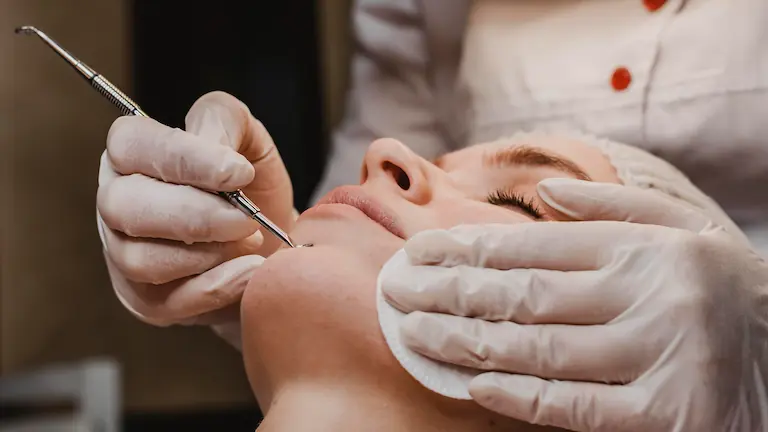
Complete Dermatology, based in Hertfordshire, provides specialist care for patients seeking effective medical acne treatments. As a dedicated dermatology clinic located at Kinsbourne Court, 96–100 Luton Road, the focus is on delivering evidence-based, clinically sound solutions for a wide range of skin concerns. Acne is a common skin condition that can affect confidence and quality of life. The comprehensive approach at Complete Dermatology combines medical expertise with advanced treatments to help patients achieve clear, healthy skin.
Symptoms
- Pimples and pustules
- Blackheads and whiteheads
- Inflammation and redness
- Scarring
Common Causes
- Hormonal imbalances
- Genetic factors
- Lifestyle and diet
- Stress
Treatment Options
Complete Dermatology offers tailored treatments, including topical therapies, oral medications, and advanced procedures to address each patient’s specific needs. The goal is to provide medical acne treatments that are safe, effective, and suited to individual skin types and lifestyles.
Every treatment plan begins with a detailed consultation, during which a clinician will assess the type and severity of acne, review relevant medical history, and discuss the most appropriate course of action. Treatment may involve a single approach or a combination of therapies, depending on the individual’s needs.
- Topical retinoids and antibiotics: These are often the first line of management for mild to moderate acne. Applied directly to the skin, they help to unclog pores, reduce the presence of acne-causing bacteria, and regulate sebum production. A typical course lasts six to eight weeks, though ongoing use at a reduced frequency may be recommended to prevent recurrence.
- Oral medications including antibiotics and isotretinoin: For moderate to severe acne that does not respond adequately to topical treatments, oral medications may be considered. Oral antibiotics are commonly prescribed for a defined period, while isotretinoin — reserved for severe or treatment-resistant cases — is only available through a specialist and requires careful monitoring throughout the course.
- Chemical peels and microneedling: These in-clinic procedures are often used to address post-acne scarring and improve overall skin texture. Chemical peels use carefully selected acids to exfoliate the skin and encourage cell renewal, while microneedling stimulates the skin’s natural healing response to reduce the appearance of scarring.
- Laser and light-based therapies: Advanced light-based options, including photodynamic therapy, target acne-causing bacteria and help to reduce active inflammation. These therapies may be particularly beneficial for patients who have not responded well to conventional treatments, or as part of a broader management plan.
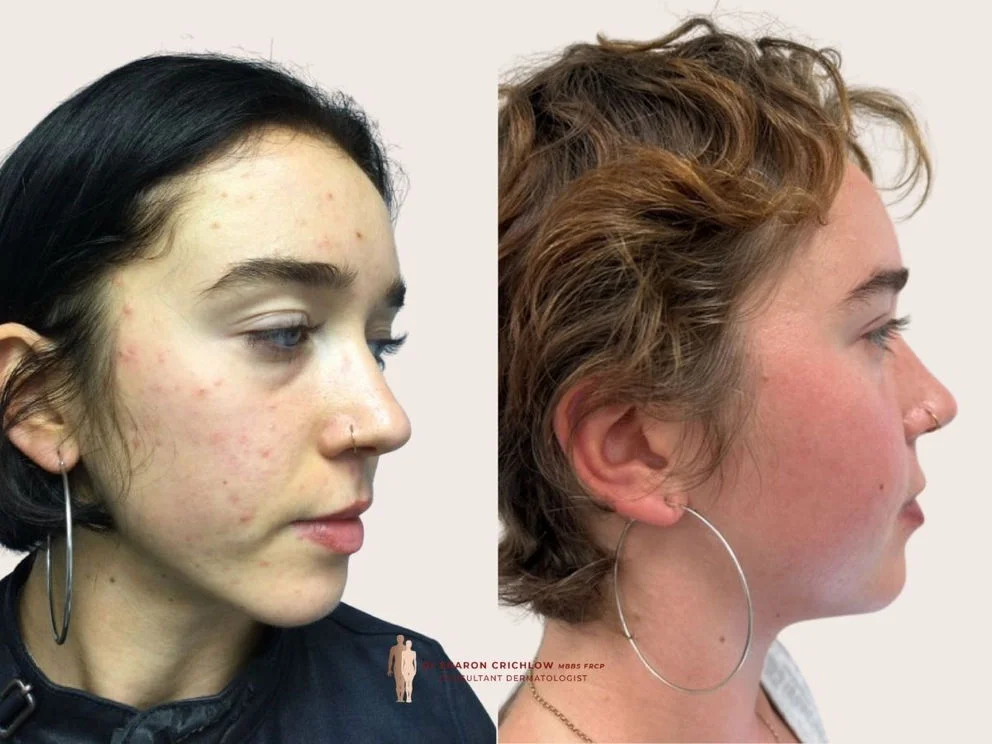
Real Results
Frequently Asked Questions
How long does treatment take?
Treatment duration varies depending on the severity of the condition and the type of medical acne treatment selected. Most patients begin to notice visible improvement within six to twelve weeks of starting a prescribed regimen. A clinician will assess progress at follow-up appointments and adjust the plan as needed.
Is the treatment painful?
The majority of medical acne treatments are well-tolerated. Topical applications may cause mild tingling or temporary dryness, while in-clinic procedures such as chemical peels or microneedling may involve brief discomfort. The team at Complete Dermatology will ensure patient comfort is prioritised throughout every stage of the process.
Will I need multiple sessions?
This depends on the individual’s skin condition and the treatment approach recommended. Some patients achieve their desired results after a single course of medication, while others may benefit from a series of in-clinic procedures. A personalised treatment plan will be discussed in full during the initial consultation.
What are the side effects of medical acne treatments?
Side effects vary according to the specific treatment. Topical creams and gels may cause mild dryness, peeling, or temporary redness. Oral medications carry their own risk profiles, which a clinician will explain in detail before treatment begins. Isotretinoin, in particular, requires careful monitoring and is only prescribed under specialist supervision.
Can acne be completely cured?
Acne cannot always be permanently resolved, but it can be effectively managed with the right medical acne treatment plan. Many patients experience significant and sustained improvement with appropriate care. Maintenance treatments are often recommended to help keep the skin clear over the longer term.