
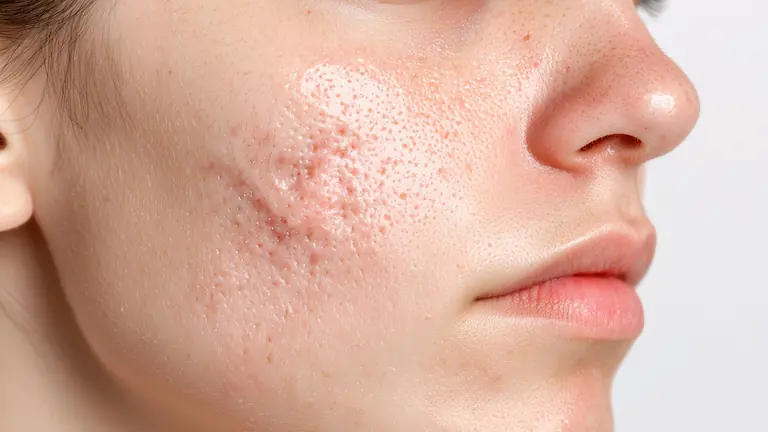
Complete Dermatology in Harpenden, Hertfordshire provides specialist care for patients seeking to improve the appearance of acne scarring. As a dedicated dermatology clinic at Kinsbourne Court, 96–100 Luton Road, the focus is on delivering advanced, evidence-based treatments for this challenging condition. Acne scarring is a common complication of severe or inflamed acne, occurring when the skin’s natural healing process is disrupted. These scars can serve as a lasting and distressing reminder of previous breakouts, often impacting self-esteem long after the active acne has cleared. The clinical team at Complete Dermatology utilises a comprehensive approach, combining medical expertise with advanced procedural techniques to remodel the skin, reduce scar visibility, and restore a smoother, more even complexion.
Understanding the Condition
Acne scarring occurs as a result of deep trauma to the skin tissue caused by inflamed acne lesions, such as nodules or cysts. When an acne spot becomes severely inflamed, the follicle wall can rupture. If this rupture occurs deep within the skin, the infected material spills into the surrounding dermis, destroying healthy tissue.
At Complete Dermatology in Harpenden, Hertfordshire, the clinical team understands that everyone’s skin heals differently. To repair the damage caused by the ruptured follicle, the skin forms new collagen fibres. However, this repair process is rarely perfect. If the body produces too little collagen during the healing process, it results in depressed or pitted scars (atrophic scarring). Conversely, if the body produces an excess of collagen, it leads to raised, lumpy scars (hypertrophic or keloid scarring). Additionally, many patients experience post-inflammatory hyperpigmentation (PIH) or erythema (PIE)—flat, discoloured marks left behind after a spot heals, which are often mistaken for true scarring but usually fade over time. Accurate clinical assessment is essential to identify the specific types of scars present and determine the most effective treatment approach.
Symptoms and Types of Scars
- Ice Pick Scars: Deep, narrow, pitted scars that look like small punctures in the skin.
- Boxcar Scars: Broad, rectangular depressions with steeply defined edges.
- Rolling Scars: Broad depressions with sloping, uneven edges that give the skin a wavy appearance.
- Hypertrophic and Keloid Scars: Raised, firm, and sometimes itchy lumps of scar tissue that sit above the skin's surface.
Common Causes
- Severe inflammatory acne, particularly nodulocystic acne
- Delaying medical treatment for active acne breakouts
- Picking, squeezing, or popping acne lesions, which increases tissue damage
- A genetic predisposition to specific types of scarring (such as keloids)
Treatment Options
Complete Dermatology offers tailored, advanced solutions for acne scarring. The Team at Complete Dermatology will assess the type and depth of your scars and create a personalised treatment plan. Active acne must usually be controlled before scar revision treatments can begin.
- Energy-Based Devices and Lasers: Advanced laser therapies, such as fractional CO2 lasers or the Secret Pro by Cutera, are highly effective for atrophic scarring. These treatments create controlled micro-injuries in the skin, stimulating the production of new collagen and elastin to smooth out depressed scars and improve overall skin texture.
- Radiofrequency (RF) Microneedling: This procedure combines traditional microneedling with radiofrequency energy. The needles physically break down old scar tissue while the RF energy heats the deeper layers of the dermis, promoting significant collagen remodelling. It is particularly effective for rolling and boxcar scars.
- Chemical Peels: Medical-grade chemical peels can be used to remove the damaged outer layers of the skin. While superficial peels are excellent for addressing post-acne discolouration, medium to deep peels may be recommended to help smooth shallower atrophic scars.
- Targeted Injectables & Plastic Surgery Referrals: For raised hypertrophic or keloid scars, targeted steroid injections can help flatten and soften the scar tissue. Subcision is not performed at Complete Dermatology; where deep, tethered rolling scars require surgical subcision to release underlying fibrous bands, patients are referred directly to consultant Plastic Surgery colleagues.
Real Results (dev note: hidden until the images are provided)
(This section is reserved for before-and-after patient photography, displayed as a two-image gallery. Images should be sourced with appropriate patient consent and comply with UK advertising standards.)
Before & After
Before & After
Frequently Asked Questions
Can acne scars be completely removed?
While it is very difficult to erase acne scars completely, advanced dermatological treatments can significantly reduce their depth, size, and visibility. The goal of treatment is to blend the scars into the surrounding skin, making them far less noticeable and improving overall skin texture.
When is the best time to treat acne scarring?
The best time to treat acne scarring is after your active acne has been effectively controlled. Treating scars while you are still experiencing frequent breakouts can lead to new scars forming, compromising the results of your treatment.
Are the red marks left by spots considered scars?
Flat red, purple, or brown marks left behind after a spot heals are known as post-inflammatory erythema (PIE) or hyperpigmentation (PIH). These are not true scars, as there is no tissue damage. They typically fade over several months, though clinical treatments can accelerate this process.
How many treatment sessions will I need?
The number of sessions required depends on the severity and type of your scarring, as well as the specific treatment method chosen. Most patients require a course of 3 to 6 sessions, spaced several weeks apart, to achieve optimal collagen remodelling and textural improvement.
Will treatment for acne scarring hurt?
Comfort is a priority during all procedures. Depending on the treatment, a topical numbing cream is usually applied prior to the procedure to minimise discomfort. The Team at Complete Dermatology will discuss pain management options with you during your consultation.