
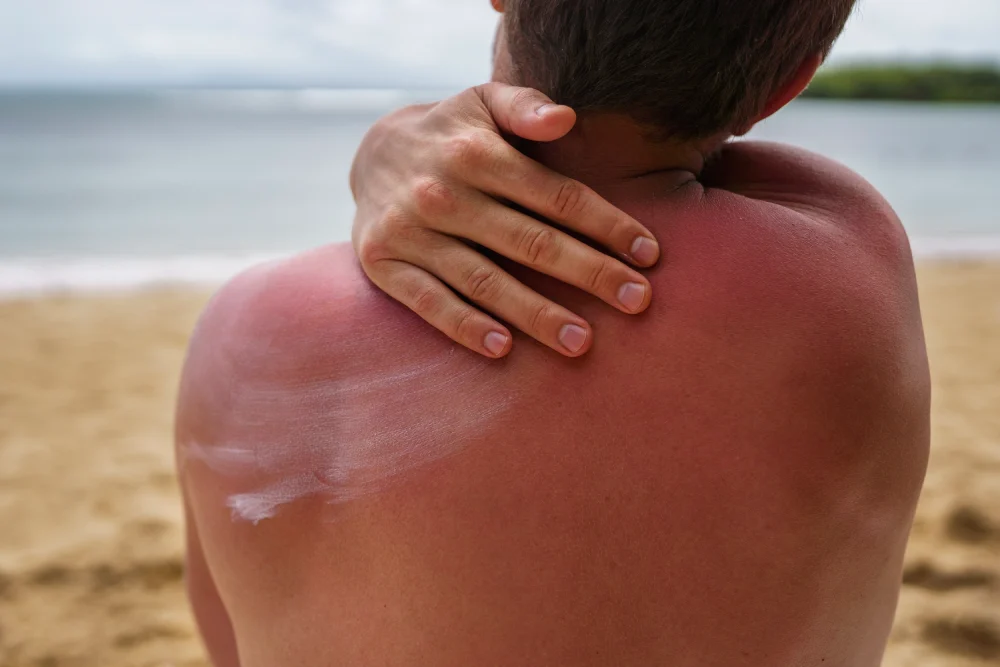
Understanding the Condition
Sun damage affects millions of people across the UK, causing premature ageing, pigmentation changes, and increased skin cancer risk. At Complete Dermatology in Harpenden, Hertfordshire, our experienced dermatologists offer comprehensive sun damage treatment and prevention strategies to help restore your skin’s health and protect it from future damage.
What Is Sun Damage Treatment?
Sun damage treatment encompasses a range of medical and cosmetic procedures designed to address the visible and invisible effects of ultraviolet (UV) radiation on the skin. These treatments may include topical medications, laser therapy, chemical peels, cryotherapy, and photodynamic therapy, depending on the type and severity of damage present.
Sun damage occurs when UV radiation penetrates the skin, causing DNA damage to skin cells and breaking down collagen and elastin fibres. This process leads to various skin changes including age spots, wrinkles, rough texture, and potentially precancerous lesions. Treatment aims to repair existing damage whilst prevention strategies help protect against future harm.
The Team at Complete Dermatology will assess your individual skin condition and recommend the most appropriate treatment approach based on your needs and skin type.
Who May Benefit From Sun Damage Treatment?
Sun damage treatment may be suitable for patients experiencing various signs of photoageing or UV-related skin changes. You may benefit from professional assessment if you have:
Age spots or sun spots on the face, hands, or other exposed areas
Uneven skin pigmentation or melasma
Fine lines and wrinkles caused by sun exposure
Rough, leathery skin texture
Broken capillaries or spider veins
Actinic keratoses (rough, scaly patches)
Concerns about skin cancer risk
Treatment may be particularly beneficial for individuals with fair skin, those who have spent significant time outdoors, or people with a history of sunburn. The Team at Complete Dermatology will evaluate your skin condition and medical history to determine whether treatment may be appropriate for your specific situation.
Conditions and Problems Treated
Sun damage treatment addresses a wide range of UV-related skin conditions and concerns:
Solar lentigines (age spots and liver spots)
Post-inflammatory hyperpigmentation
Melasma and chloasma
Actinic keratoses and precancerous lesions
Photoageing and premature skin ageing
Telangiectasia (broken blood vessels)
Rough skin texture and enlarged pores
Loss of skin elasticity and firmness
Treatment may also address functional concerns such as skin sensitivity, dryness, and increased susceptibility to further damage. The Team at Complete Dermatology will identify the specific types of sun damage affecting your skin and recommend targeted treatments accordingly.
Benefits of Sun Damage Treatment
Professional sun damage treatment may offer several potential benefits for your skin health and appearance:
May reduce the appearance of age spots and pigmentation
May improve skin texture and smoothness
May help restore a more even skin tone
May reduce fine lines and wrinkles
May improve skin firmness and elasticity
May remove precancerous lesions
May boost confidence in your skin’s appearance
May prevent progression of existing damage
Results vary between individuals, and your clinician will discuss realistic expectations based on your skin condition and chosen treatment approach. Multiple sessions may be required to achieve optimal results.
Consultation and Assessment Process
Your sun damage treatment journey begins with a comprehensive dermatological consultation. During this appointment, the Team at Complete Dermatology will:
Review your medical history and current medications
Examine your skin using specialised lighting and magnification
Assess the type, extent, and severity of sun damage
Evaluate your skin type and photosensitivity
Discuss your treatment goals and expectations
Explain suitable treatment options and alternatives
Review potential risks and benefits
Provide personalised prevention advice
The Team at Complete Dermatology may recommend dermoscopy or other diagnostic techniques to evaluate suspicious lesions. Photography may be taken to monitor treatment progress over time.
How Sun Damage Treatment Is Performed
Treatment methods vary depending on your specific condition and chosen approach:
- Topical treatments may include prescription retinoids, hydroquinone, or combination creams applied at home over several months.
- Laser therapy uses focused light energy to target pigmented lesions or stimulate collagen production. Treatment typically takes 15-45 minutes and may require multiple sessions.
- Chemical peels involve applying controlled acid solutions to remove damaged skin layers, revealing healthier skin beneath.
- Cryotherapy uses liquid nitrogen to freeze and remove individual sun spots or actinic keratoses.
- Photodynamic therapy combines light-sensitising medication with specific wavelengths of light to treat precancerous lesions.
Most treatments are performed as outpatient procedures in the clinic. Your clinician will explain the specific process for your recommended treatment and what to expect during each session.
Recovery and Aftercare
Recovery varies significantly depending on the treatment type and intensity. Your dermatologist will provide specific aftercare instructions, which may include:
Avoiding sun exposure during healing
Using prescribed topical medications
Applying gentle moisturisers and sun protection
Avoiding harsh skincare products temporarily
Attending follow-up appointments as scheduled
Some treatments may cause temporary redness, swelling, or peeling as part of the normal healing process. Contact your clinic if you experience severe pain, signs of infection, or unexpected reactions.
Long-term success depends on consistent sun protection and appropriate skincare maintenance. Your clinician will provide guidance on protecting your results and preventing future damage.
Risks and Considerations
Like all medical treatments, sun damage therapy carries potential risks and limitations:
Temporary skin irritation or sensitivity
Changes in skin pigmentation
Scarring in rare cases
Incomplete removal of all damage
Need for multiple treatment sessions
Possible recurrence without proper sun protection
Treatment suitability depends on your individual assessment, skin type, and medical history. Some treatments may not be appropriate during pregnancy or for certain skin conditions. Your dermatologist will discuss all relevant risks and ensure you understand the treatment process before proceeding.
Why Choose Complete Dermatology?
Complete Dermatology offers specialist expertise in treating sun damage and photoageing across Hertfordshire. Our dermatologists combine advanced treatment technologies with personalised care to achieve optimal results for each patient.
We provide comprehensive skin assessments, evidence-based treatment recommendations, and ongoing support throughout your treatment journey. Our clinic maintains the highest standards of patient safety and clinical excellence.
Our team understands that sun damage affects both skin health and confidence, and we work closely with each patient to develop treatment plans that address their individual concerns and lifestyle needs.
Real Results
Before and After Gallery
Before & After
Before & After
Frequently Asked Questions
Is sun damage treatment painful?
Discomfort levels vary by treatment type. Topical treatments typically cause minimal discomfort, whilst laser therapy may cause mild stinging. The Team at Complete Dermatology will discuss pain management options and ensure your comfort throughout treatment.
How long does treatment take?
Treatment duration depends on the method chosen and area being treated. Topical treatments require months of consistent use, whilst in-clinic procedures typically take 15-60 minutes per session.
When will I see results?
Results timeline varies significantly. Some improvements may be visible within weeks, whilst optimal results often develop over several months. Your clinician will provide realistic expectations based your specific treatment plan.
Can sun damage be completely reversed?
Whilst significant improvements are possible, complete reversal of all sun damage may not be achievable. Treatment aims to improve skin appearance and health whilst preventing further damage through proper protection.
How can I prevent future sun damage?
Consistent sun protection is essential, including daily broad-spectrum SPF, protective clothing, seeking shade, and avoiding peak UV hours. Your dermatologist will provide personalised prevention advice.
Book Your Consultation
To find out whether sun damage treatment may be suitable for you, book a consultation with Complete Dermatology. The Team at Complete Dermatology will assess your skin condition and recommend the most appropriate treatment approach for your needs.