My dear patients, I have bad news and good news. Let’s get the bad news over with first!
The good news? While we cannot eliminate it, it can be successfully managed! You CAN get your confidence back and avert significant scarring! If I didn’t believe this, I wouldn’t bother getting out of my bed in the morning.
In our latest blog, we provide an in-depth look into the ongoing management of chronic acne and the treatments required to achieve clear skin.
So what are the stats?
Studies vary, but most show that while 85% of those aged between 12 and 24 have acne to some degree, this drops significantly with age. Still, around 50% (a half) of women in their 20s, 33% (a third) of women in their 30s and 25% (a quarter) of women in their 40s remain affected by acne.
Is there a difference between teenage acne and adult acne?
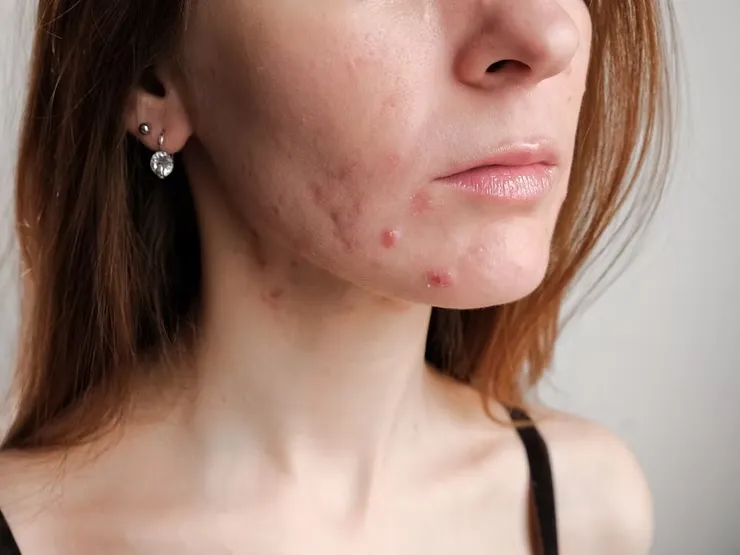
Broadly speaking, it is the same condition, with the same underlying process. For some patients it is a continuation of their teenage acne. Others develop acne relatively late. Adult acne can present differently, often affecting the jawline, chin, neck and upper torso. It is more likely to be severe, nodulocystic and hormonally driven.
Does treatment differ for adult acne?
In my clinic, acne treatment is bespoke because everyone’s needs are different. However, as a rule, because teenage acne can be expected to resolve over time, I often find that an individualised regime of a short course of oral antibiotics, oral anti-androgens if appropriate, combined with topical treatments keeps the acne in remission until they have ‘grown out of’ their acne.
This is a low risk, high reward regime which is well tolerated and effective. Job done!For patients over the age of 25, however, acne is something that may well recur for the rest of their life, and so my focus is more long term. There are currently only two options that offer longevity for the treatment of acne:1. Isotretinoin
Also known as Accutane or Roaccutane, this is an oral acne treatment that has been around since the 1980s and we know that it works. It does this by reducing the size of sebaceous glands and slowing down their activity, which decreases sebum production. It reduces the hyper-keratinisation often seen in acne and also has anti-inflammatory effects. Isotretinoin is a heavily regulated, prescription-only medication that requires blood monitoring, can have significant systemic side effects (can affect mood, damage the liver and cause sexual side effects, dry skin and lips, joint pains etc) and should be avoided during pregnancy.2. Laser therapy targeting the sebaceous gland
AviClear is the first FDA approved laser which selectively target the sebaceous glands, delivering controlled damage that slows down sebum production, stopping acne at its source. Because it works locally, it only affects the sebaceous glands in the areas targeted by the laser, so it does not have any of the side effects associated with isotretinoin. This is an amazing breakthroug
Is one of these acne treatments better than the other?
Both isotretinoin and AviClear are highly effective acne treatments, and the best one for you will depend on many factors. Please see my December 2024 blog for a more detailed breakdown of why one might choose AviClear laser versus isotretinoin.
Will these treatments banish acne for good?
Sadly, there is NO cure for acne! Both isotretinoin and AviClear are remarkably effective acne treatments, but as adult acne is a chronic condition, what these procedures do is to put the problem into what I call ‘remission’.
This means that in the same way a hypertensive patient has normal blood pressure while on medication but technically still suffers with hypertension, an acne patient is always an acne patient. So Isotretinoin and AviClear both make it much, much easier to maintain control but they won’t prevent you from ever getting another spot in the future.
Does this mean they don’t work?
What might cause acne to recur after being in remission?
There are lots of reasons acne might flare up, but some of the most common are:
Age – younger people tend to relapse more quickly/frequently. This could be because their hormones levels are still very high and fluctuating.
Hormones – just as puberty can cause breakouts, so can other hormonal upsurges, like the pre-menstrual period and menopause. Starting HRT, pregnancy and stopping or starting some forms of contraception can also trigger or re-awaken dormant acne.
Stress – this is a frequent, under-estimated factor. Your skin does not exist in isolation. It is your largest organ. If you’re experiencing emotional stress at work or at home, not sleeping or eating well, this can make itself apparent in your skin. This is in common with many other skin conditions such as psoriasis and eczema. A healthy lifestyle and avoidance of stress (where possible) will benefit your skin.
What does ongoing management of chronic acne involve?
- In the mornings, a gentle facewash, either benzoyl peroxide or azelaic acid preparation and a good, oil-free sunscreen.
- In the evenings, a mildly exfoliating wash containing mandelic or salicylic acid, followed by a retinoid, and moisturiser if needed. Retinoids are also great for slowing down the ageing process, helping with pigmentation and scarring so this is a win-win for adult acne patients.
Do I still need to see a dermatologist once my acne is under control?
For more information or to book an appointment, please contact us. Treating acne is my passion! I can’t wait to see and help you. Looking forward to seeing you soon.