
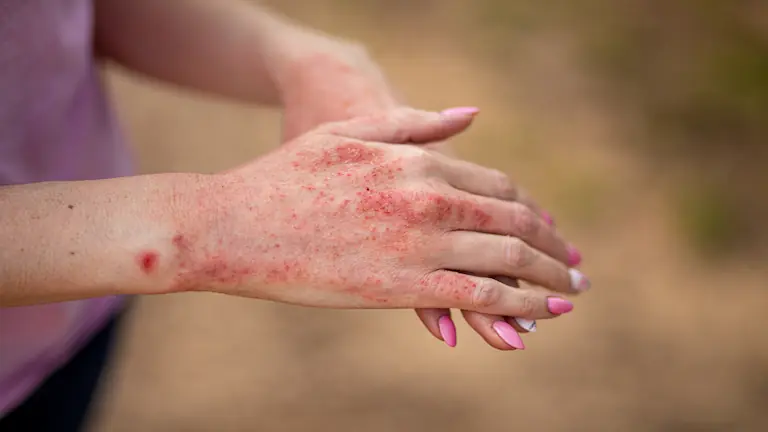
Complete Dermatology in Harpenden, Hertfordshire provides specialist care for patients managing eczema and other chronic inflammatory skin conditions. As a dedicated dermatology clinic at Kinsbourne Court, 96–100 Luton Road, the focus is on delivering compassionate, evidence-based management for these often uncomfortable and distressing ailments. Eczema is an umbrella term for a group of conditions that cause the skin to become dry, itchy, red, and inflamed. Because the skin barrier is compromised, it is less able to retain moisture and protect against irritants and allergens. The clinical team at Complete Dermatology takes a comprehensive approach, combining medical therapies with expert skincare guidance to control symptoms, reduce the frequency of flare-ups, and restore a healthier, more resilient skin barrier.
Understanding the Condition
Eczema (dermatitis) is a highly common condition that can affect individuals of all ages, though it frequently begins in childhood. The most prevalent form is atopic eczema (atopic dermatitis), which is strongly linked to a genetic predisposition and often occurs alongside other atopic conditions such as asthma and hay fever. In individuals with atopic eczema, a genetic variation often affects the production of filaggrin, a protein crucial for maintaining a strong and healthy skin barrier.
At Complete Dermatology in Harpenden, Hertfordshire, the clinical team understands that eczema is not a single disease but a complex interplay of genetics, immune system responses, and environmental triggers. When the weakened skin barrier is exposed to irritants, allergens, or certain bacteria, the immune system overreacts, leading to intense inflammation and the hallmark symptom of eczema: severe itching (pruritus). Scratching the itchy skin further damages the barrier, creating a vicious cycle known as the “itch-scratch cycle.” Beyond atopic eczema, the clinic also manages other forms, including contact dermatitis (triggered by specific allergens or irritants touching the skin), seborrhoeic dermatitis (affecting sebum-rich areas like the scalp and face), and discoid eczema (characterised by coin-shaped patches of inflamed skin).
Symptoms and Types of Scars
- Intense itching, which can be severe enough to disrupt sleep
- Dry, cracked, scaly, or thickened skin
- Red, inflamed patches (which may appear darker, grey, or purple on brown or black skin)
- Small, fluid-filled blisters that may weep or crust over when scratched
- Areas of raw, sensitive, or swollen skin from continuous scratching
Common Causes and Triggers
- Genetic predisposition and immune system dysregulation
- Environmental allergens (e.g., dust mites, pet dander, pollen)
- Skin irritants (e.g., harsh soaps, detergents, wool, synthetic fabrics)
- Extreme temperatures, sweating, and emotional stress
Treatment Options
Complete Dermatology offers tailored, medical-grade solutions for managing eczema and related skin conditions. While there is no permanent cure, a clinician will create a personalised plan to control inflammation, relieve itching, and repair the skin barrier.
- Complete Emollient Therapy: The foundation of all eczema management is the frequent and generous application of medical moisturisers (emollients). These are used both as leave-on creams or ointments to trap moisture in the skin, and as soap substitutes during washing to prevent further drying and irritation.
- Topical Corticosteroids: During a flare-up, topical steroid creams or ointments are prescribed to rapidly reduce inflammation, redness, and itching. Your clinician will carefully select the appropriate strength for the affected area to ensure safe and effective use.
- Topical Calcineurin Inhibitors: For sensitive areas like the face and neck, or for long-term maintenance, steroid-free anti-inflammatory creams or ointments (such as tacrolimus or pimecrolimus) may be prescribed to control the immune response in the skin.
- Advanced Systemic Therapies: For severe, widespread, or treatment-resistant eczema, advanced systemic treatments may be considered. These include oral immunosuppressants, targeted biologic injections (such as dupilumab), or newer oral medications known as JAK inhibitors, which work internally to block the specific pathways causing inflammation.
Real Results (dev note: hidden until the images are provided)
(This section is reserved for before-and-after patient photography, displayed as a two-image gallery. Images should be sourced with appropriate patient consent and comply with UK advertising standards.)
Before & After
Before & After
Frequently Asked Questions
Is eczema contagious?
No, eczema is absolutely not contagious. You cannot catch it from someone else, nor can you pass it on. It is an internal inflammatory condition driven by genetics and the immune system.
Why does my eczema get worse in the winter?
Cold, dry winter air, combined with central heating indoors, rapidly strips moisture from the skin, exacerbating the dryness associated with eczema. Wearing thick, woollen clothing to stay warm can also physically irritate the skin and trigger a flare-up.
Can food allergies cause eczema?
In some cases, particularly in young children, specific food allergies (such as to cow’s milk, eggs, or nuts) can trigger or worsen eczema flare-ups. However, you should never make significant dietary changes without consulting a medical professional.
Are steroid creams safe to use?
When used correctly under the guidance of a healthcare professional, topical corticosteroids are a very safe and highly effective treatment for eczema flare-ups. Your clinician will ensure you use the correct strength for the appropriate duration to minimise any risk of side effects.
How can I stop scratching at night?
The itch-scratch cycle is often worst at night. Keeping the bedroom cool, wearing light cotton nightwear, and applying a generous layer of emollient before bed can help. For severe cases, your clinician may recommend specific bandaging techniques or short-term medication to aid sleep.